
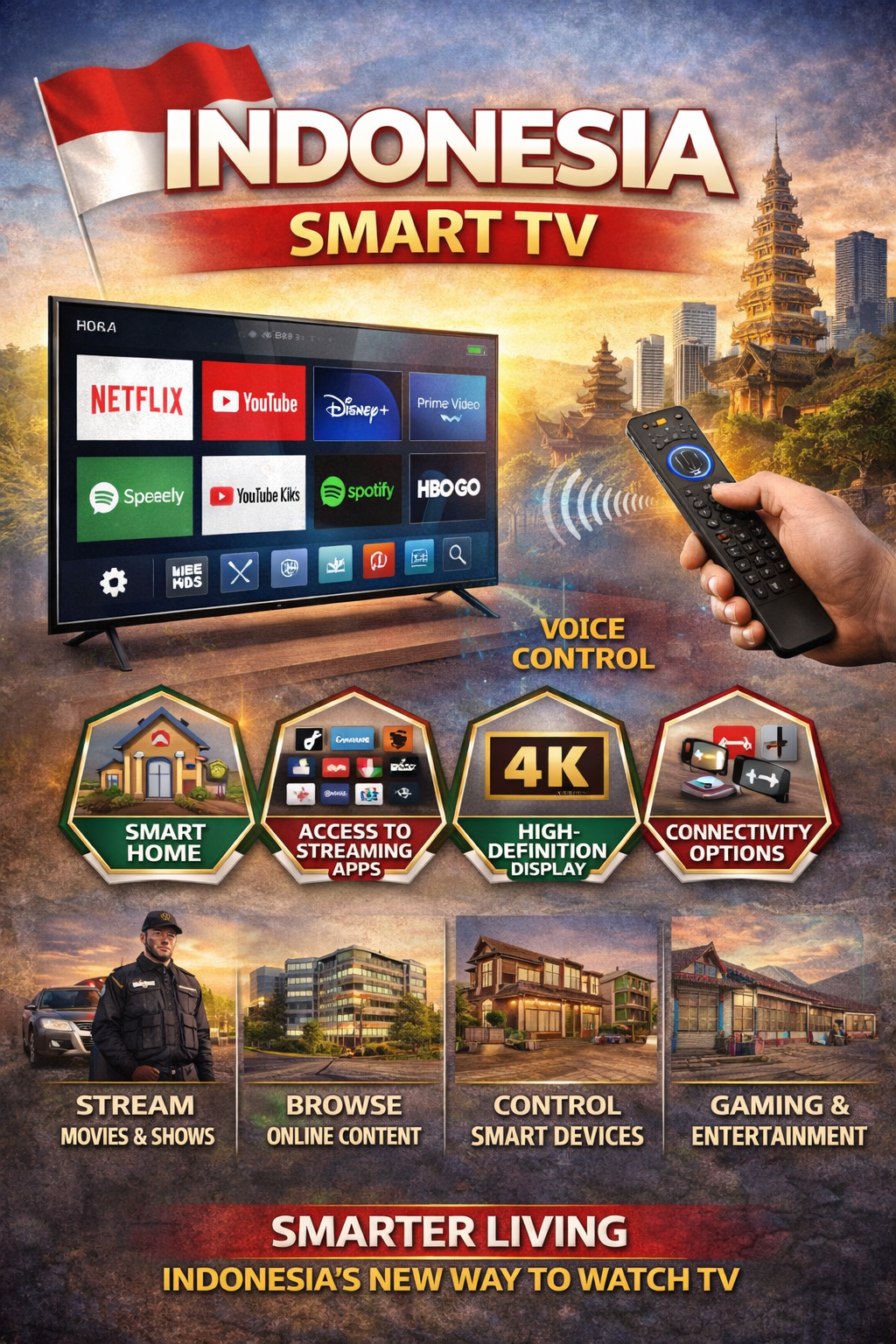
The landscape surrounding Indonesia smart television demand is evolving rapidly, driven by technological advancements and shifting consumer behaviors. As the market anticipates a significant increase in size, from USD 4,904.2 million in 2024 to an impressive USD 19 billion by 2035, the implications for the industry are far-reaching. The forecasted compound annual growth rate (CAGR) of 9.421% reflects a substantial consumer shift towards smart TVs, particularly with the surge in OTT streaming smart TVs and their accompanying features. This transition is fundamentally transforming how Indonesians consume entertainment, with smart televisions becoming an integral part of daily life. With increasing internet penetration and disposable incomes, the market is positioned for robust growth.
Key players fueling the momentum in the Indonesia smart television market include prominent brands like Panasonic Corporation (JP), LG Electronics (KR), and Sony Corporation (JP), who are leading the charge in innovation. Their investment in quality and technology has redefined consumer expectations, particularly around connected TV platforms Indonesia. The competitive landscape is further enhanced by companies such as Sharp Corporation (JP) and Vizio (US), who are also vying for market share through distinctive offerings that resonate with Indonesian consumers. The introduction of affordable smart TV models by companies like Hisense Group (CN) and TCL Technology (CN) has expanded market access, allowing more households to transition from traditional televisions The development of Indonesia smart television demand continues to influence strategic direction within the sector.
Diverse factors contribute to the escalating demand for smart televisions in Indonesia. The increasing proliferation of streaming services has become a game changer, fostering a culture that prioritizes on-demand content consumption. The rise in Indonesia 4K smart TV adoption reflects consumers' desire for enhanced viewing experiences as they seek superior picture quality. Moreover, a growing middle class with increasing disposable income presents an opportunity for manufacturers to target a broader audience. However, challenges persist, such as the ongoing competition from mobile devices, which offer similar features at lower price points. Additionally, while urban areas are witnessing a surge in demand, rural regions remain under-penetrated due to limited access to high-speed internet.
Indonesia's urban centers, particularly Jakarta and Bandung, are at the forefront of smart TV adoption. The high concentration of internet users in these regions facilitates greater engagement with online content platforms, driving the overall demand for smart televisions. In contrast, areas with limited connectivity face challenges in adoption, highlighting the discrepancy in market dynamics across the country. This urban-rural divide indicates potential growth areas, as improvements in internet infrastructure could lead to increased market penetration in previously underserved regions. Companies that recognize these disparities and tailor their marketing strategies accordingly will likely fare better in capturing the growing smart TV audience.
The Indonesia smart television market is rife with opportunities for growth and innovation. As OTT platforms continue to proliferate, there is an increasing demand for devices that can efficiently support these services, pushing manufacturers to create versatile and feature-rich smart TVs. The emphasis on affordability has also led to a surge in the production of low-cost smart TVs, ensuring that this technology is accessible to a wider range of consumers. Additionally, the Android TV market Indonesia is expanding, providing a platform for manufacturers to offer customized experiences. Furthermore, potential partnerships with local content producers can enhance viewer engagement, making these devices even more appealing.
In 2022, the penetration rate of smart TVs in Indonesia reached approximately 27%, with projections suggesting that this figure could rise to 60% by 2030, driven by increased internet accessibility and consumer awareness. The average price of a smart TV has decreased by around 15% over the past five years, making them more affordable for a larger segment of the population. As streaming services gain traction, a reported 66% of Indonesian consumers prefer watching content on smart TVs over traditional broadcast methods. This shift is not just a trend; it reflects a fundamental change in how entertainment is consumed, as families gather around larger screens to enjoy shared experiences, particularly during major sporting events or popular television series.
Projections through 2035 indicate that the Indonesia Smart TV Market is on a trajectory of substantial growth. The anticipated market size of USD 19 billion reflects a dynamic shift in consumer preferences toward smart technology that seamlessly integrates with their lifestyles. Future developments may increasingly focus on enhancing user interfaces and interactive features, further pushing the boundaries of how consumers engage with their smart TVs. The integration of artificial intelligence may also redefine user experiences, as smart TVs become more personalized and intuitive. Such advancements are expected to not only enhance user satisfaction but also encourage higher purchase rates as consumers seek out the latest innovations.
AI Impact Analysis
Artificial intelligence is set to revolutionize the Indonesia smart television market by enhancing user interactions and providing personalized content recommendations based on viewing habits. AI-driven features can streamline navigation and content discovery, making smart TVs more user-friendly and engaging. Additionally, smart TVs equipped with AI capabilities could better anticipate user preferences, thus driving higher engagement rates. As these technologies continue to evolve, they are likely to play a crucial role in shaping the future of television consumption in Indonesia.

 English
 Arabic
 French
 Spanish
 Portuguese
 Deutsch
 Turkish
 Dutch
Dutch
 Italiano
 Russian
 Romaian
 Portuguese (Brazil)