

Modern living is defined by change. Families grow, routines evolve, and homes must adapt to new needs without constant renovation. In this context, modular design has become essential—especially in the kitchen, the most dynamic space in the home. IKEA has built its kitchen philosophy around modular living, offering flexible systems that suit every lifestyle, space, and budget. From compact city apartments to spacious family homes, IKEA kitchen design proves that adaptability is the key to long-term comfort and style.
What Modular Living Really Means
Modular living is about creating spaces that respond to how people actually live. Instead of fixed layouts and rigid cabinetry, modular kitchens use standardized components that can be arranged, expanded, or updated over time. This approach allows homeowners to design kitchens that fit their current needs while remaining ready for future changes.
IKEA kitchens are built on this principle. Cabinet frames, drawers, doors, and storage interiors work together as a system, making it possible to customize layouts without sacrificing visual consistency or functionality.
Designed for Every Type of Home
One of the biggest strengths of IKEA kitchen design is its versatility across different home types.
Compact Urban Homes
In small apartments and studios, space efficiency is critical. IKEA’s modular cabinets, slim pull-out storage, and vertical solutions help maximize every centimeter. Single-wall and galley layouts are easy to configure, creating kitchens that feel open, organized, and modern despite limited square footage.
Family Homes
For families, the kitchen is a high-traffic zone that needs durability, storage, and flexibility. Modular systems allow for large drawer units, integrated recycling stations, and spacious work surfaces. As family needs grow, additional storage or reconfigured layouts can be introduced without starting from scratch.
Open-Plan Living Spaces
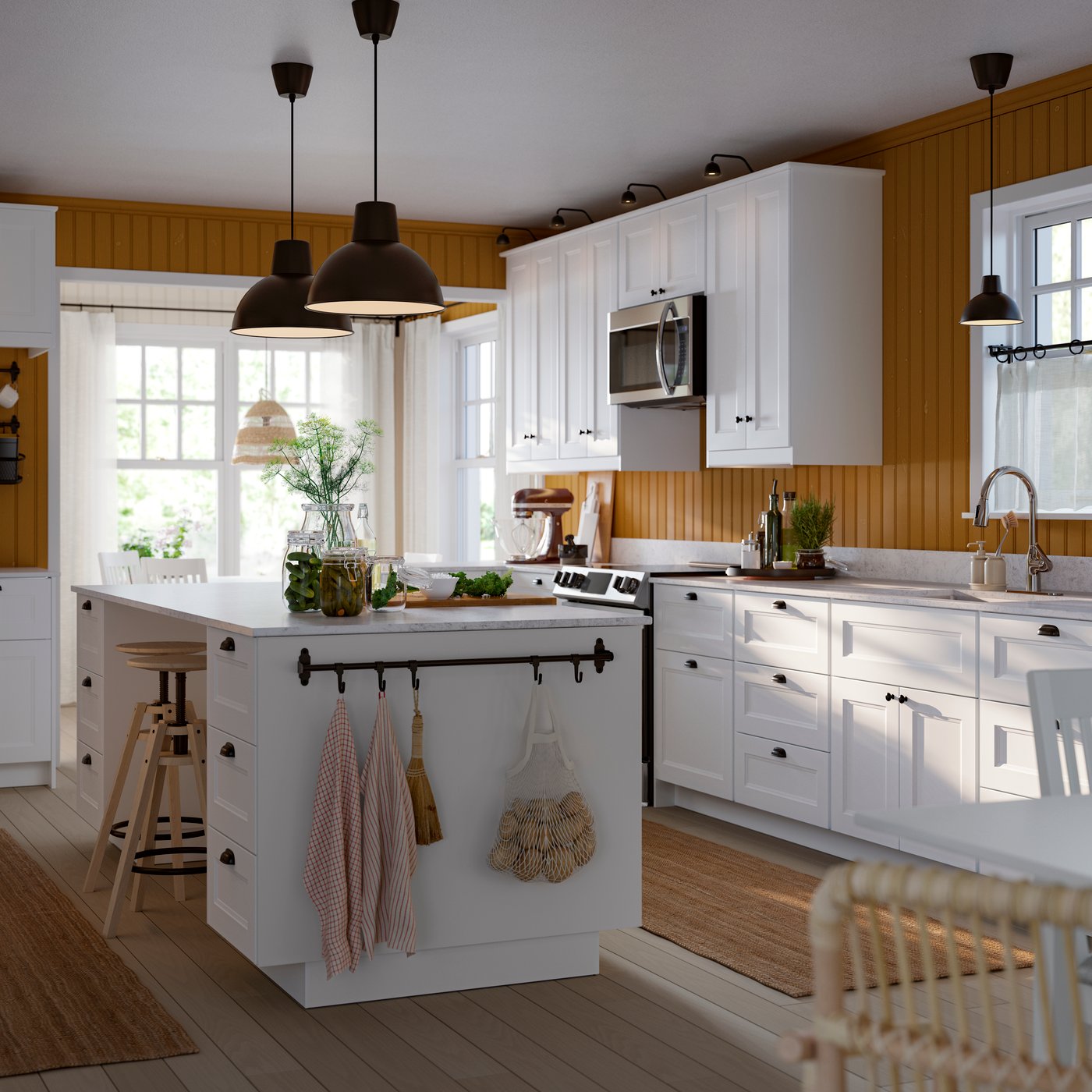
In modern open-plan homes, the kitchen must blend seamlessly with living and dining areas. IKEA’s modular designs make it easy to incorporate islands, peninsula counters, and handle-less cabinetry that maintain clean lines and visual harmony throughout the space.
Layouts That Adapt to Your Lifestyle
Lifestyle plays a major role in kitchen design. Someone who cooks daily has different needs from someone who uses the kitchen mainly for socializing. IKEA’s modular approach supports both.
-
Single-wall kitchens work well for minimalists and compact living.
-
L-shaped and U-shaped layouts suit avid cooks who value workflow and storage.
-
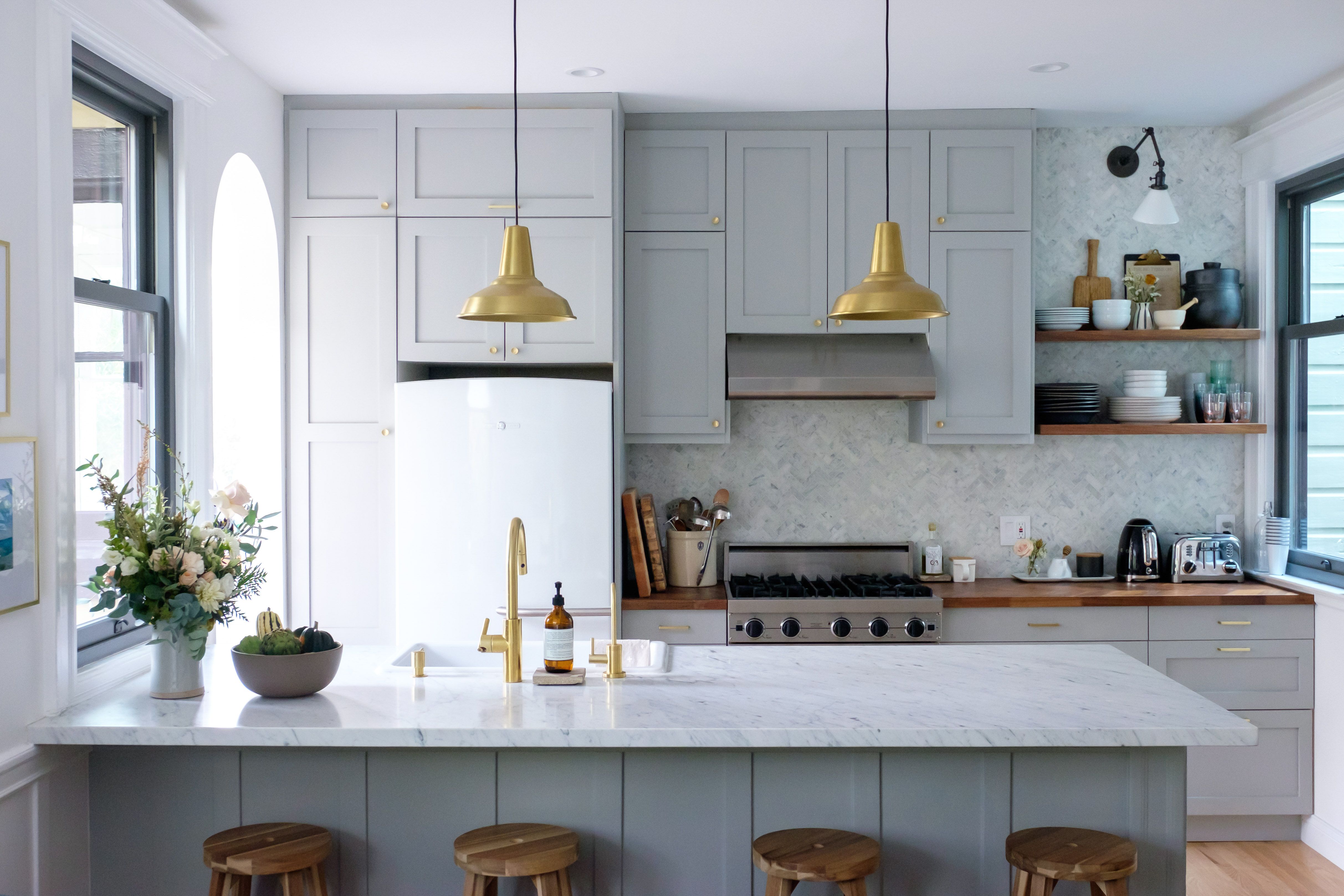
Island kitchens are ideal for entertaining, casual dining, and multitasking.
Because modules are standardized, layouts can be adjusted as routines change—adding an island, expanding storage, or rethinking circulation without replacing the entire kitchen.
Storage That Works the Way You Do
True lifestyle compatibility comes from how a kitchen functions day to day. IKEA excels in internal storage solutions that adapt to individual habits.
Deep drawers replace traditional cabinets for easy access to pots, pans, and dishes. Pull-out pantry units keep food organized and visible. Corner solutions turn awkward spaces into practical storage areas. Even under-sink zones are optimized with custom-fit organizers.
This level of customization ensures that the kitchen supports how you cook, clean, and store—not the other way around.
Style Flexibility Without Limits
Modular living isn’t only about function—it’s also about personal expression. IKEA kitchen systems allow homeowners to choose from a wide range of cabinet fronts, colors, finishes, and hardware.
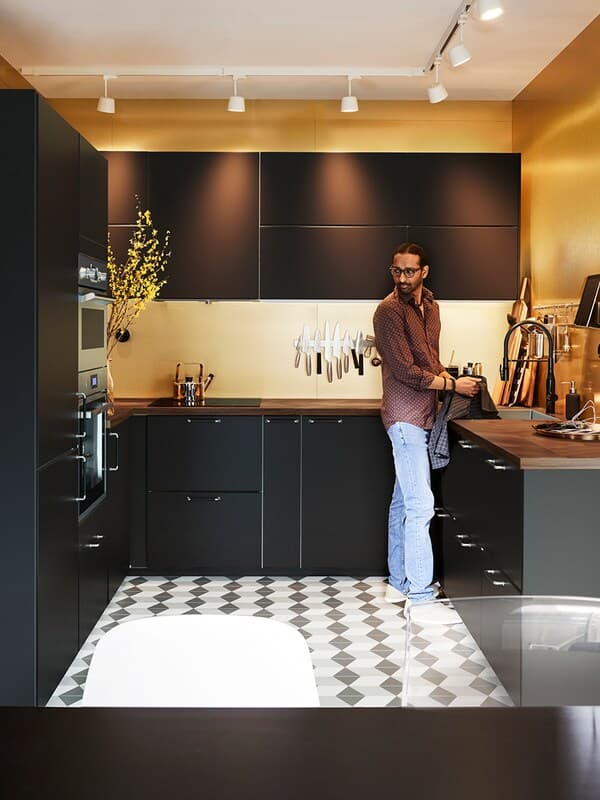
Minimalist flat-front doors suit modern lifestyles that value simplicity and calm. Wood-effect finishes add warmth for those who prefer a natural feel. Bold colors like deep blue, green, or matte black create statement kitchens that reflect confident, urban living.
Because cabinet frames remain the same, styles can be updated over time by changing doors or handles. This makes it easy to refresh the kitchen as tastes evolve, without major disruption or cost.
Budget-Friendly Modularity
Another reason IKEA kitchen design fits every lifestyle is affordability. Modular systems allow homeowners to control spending strategically. Standard cabinet frames keep costs predictable, while upgrades can be focused on visible or high-use areas such as worktops, islands, or storage interiors.
This approach makes modular living accessible to first-time homeowners, renters, and growing families alike. You can start with a simple setup and invest in upgrades gradually, aligning your kitchen with your financial and lifestyle changes.
Sustainable and Future-Ready Design
Modular kitchens also support more sustainable living. Instead of replacing entire kitchens when needs change, individual components can be updated or replaced. This reduces waste and extends the life of the kitchen.
Durable materials, energy-efficient appliance integration, and long-lasting finishes further support a future-ready approach. IKEA’s focus on longevity aligns well with modern lifestyles that value responsible consumption and adaptable design.
Technology and Modern Living
As lifestyles become more connected, kitchens must accommodate technology. IKEA’s modular designs make it easy to integrate modern appliances, smart lighting, and efficient workflows without compromising aesthetics. Built-in appliances and concealed solutions maintain clean lines while supporting contemporary living habits.
Conclusion
Modular living is no longer a trend—it’s a necessity in modern homes. IKEA kitchen design fits every lifestyle because it’s built on flexibility, adaptability, and thoughtful design. From layout options and smart storage to style customization and budget control, IKEA kitchens evolve alongside the people who use them.

 English
 Arabic
 French
 Spanish
 Portuguese
 Deutsch
 Turkish
 Dutch
Dutch
 Italiano
 Russian
 Romaian
 Portuguese (Brazil)